Blogs
Insights on AI, clinical trials, and the future of drug development

The Publicly Funded Side of Clinical Research
Who pays for NCI-supported cancer trials and who runs them? A plain-English guide to NCI, NCTN, ETCTN, NCORP, CTSU, LAPS and how sites connect.

What ICH M11 CeSHarP Changes for AI-Assisted Protocol Authoring
ICH M11 CeSHarP standardizes clinical protocol structure for electronic exchange. See what this actually changes for USDM and AI-assisted regulatory writing.

BA/BE Studies in India: A Practical Guide for Sponsors
CDSCO processes 4,000-4,500 BA/BE study applications yearly. See what sponsors should verify before selecting a bioequivalence site in India.

ICH M11 and USDM: Aligning Standards for Digital Protocols
ICH M11 reached Step 4 in November 2025. See how it aligns with CDISC USDM to turn clinical trial protocols into structured, machine-readable data.

ICH M11 CeSHarP: An Implementation Guide for Sponsors
ICH M11's CeSHarP template is final at FDA and EMA. Here is what sponsors and medical writers should assess before their next protocol cycle.

How USDM Enables Data Exchange Across EDC and CTMS
CDISC's USDM standardizes clinical trial protocol data so EDC, CTMS, and other systems can exchange and reuse it with less manual re-entry work.

How ICH M11 Affects Protocol Development Timelines
ICH M11 standardizes clinical protocol structure. Here is what CROs and medical writers should expect for development and amendment timelines.

USDM vs Traditional Clinical Trial Protocols: From Documents to Structured Data
USDM turns clinical trial protocols into structured, machine-readable data. See how it compares to document-based protocols and what changes for sponsors.

ICH M11 Technical Specification: Data Fields Explained
ICH M11's technical specification turns clinical protocols into structured data. Here is how its data fields, terminology, and exchange rules work.

How to Implement USDM for Digital Clinical Trial Protocols
A practical guide to implementing CDISC's USDM standard for machine-readable clinical trial protocols, aligned with ICH M11 and TransCelerate's DDF initiative.

ICH M11 Protocol Template Explained: Sections & Structure
A section-by-section breakdown of the ICH M11 clinical study protocol template, its structure, requirements, and what it means for sponsors, CROs, and sites.

USDM Schedule of Activities: A Machine-Readable SoA Guide
How CDISC's USDM model turns the clinical trial Schedule of Activities from static tables into structured, computable data sponsors and CROs can automate.

ICH M11 CeSHarP: The New Structured Protocol Standard
ICH M11 CeSHarP moves clinical trial protocols toward a harmonised, machine-readable structure. Here's what sponsors, CROs, and sites need to know.

CDISC USDM: From Static Protocols to Living Data Models
CDISC USDM turns clinical trial protocols into structured, machine-readable data instead of static PDFs. What it changes for sponsors, CROs, and sites.

What Is the USDM Study Schema? A Complete Guide to CDISC's Unified Study Definitions Model
Learn what the USDM study schema is, how CDISC's Unified Study Definitions Model powers protocol digitization, and what it means for sponsors and CROs.

FDA ICH M11 CeSHarP Guidance 2026: What Clinical Trial Sponsors Need to Know
FDA's final ICH M11 CeSHarP guidance sets a new harmonized clinical trial protocol standard. Here is what sponsors and CROs should prepare for now.

Informed Consent Form (ICF) Template Guide for Clinical Trials
A complete ICF template guide covering required elements, regulatory standards, re-consent triggers, eConsent, and common FDA inspection findings.

CSR Writing Template for Sponsors: ICH E3 Guide
A sponsor's complete guide to CSR writing templates: ICH E3 section-by-section breakdown, TransCelerate resources, pre-writing checklist, and AI documentation.

AI Regulatory Writing SOP Template: A Practical Guide
Build a compliant AI regulatory writing SOP for clinical trials. Covers FDA guidance, ICH E6(R3), audit trails, human oversight, and document validation frameworks.

Clinical Trial Startup Workflow Checklist: Site Activation Guide
A research-backed clinical trial startup workflow checklist covering feasibility, contracts, IRB, SIV, and site activation. Reduce delays with structured execution.

ICH E6(R3) Compliance Checklist for Sponsors and CROs
A detailed ICH E6(R3) compliance checklist covering QbD, CtQ factors, data governance, monitoring, and essential records for sponsors, CROs, and sites.

Clinical Trial Protocol Checklist: FDA, ICH, SPIRIT 2025, M11
A complete clinical trial protocol checklist covering FDA 21 CFR 312.23, ICH E6(R3), SPIRIT 2025, and M11 CeSHarP. Reduce amendments and improve regulatory readiness.

Investigator Brochure Structure: A Complete Guide (ICH E6(R3))
Learn the required sections of an Investigator Brochure under ICH E6(R3) and 21 CFR 312.23, including RSI, update obligations, and common compliance gaps.

DSUR Template Explained: ICH E2F Structure and Requirements
A complete guide to the DSUR template under ICH E2F: exact sections 1-20, data lock points, submission timelines, and what sponsors and medical writers need to know.

Phase 2 Clinical Trial Protocol Template: A Complete Guide
Everything sponsors, CROs, and medical writers need to structure a Phase 2 clinical trial protocol that aligns with FDA, EMA, and ICH M11 expectations.

Oncology Protocol Template: What Sponsors Need to Know
A practical guide to oncology clinical trial protocol templates, ICH M11 CeSHarP, eligibility criteria, biomarkers, and amendment prevention for sponsors and CROs.

The Evolution of Clinical Trial Operating Systems
From paper binders to AI-native platforms: how clinical trial operating systems evolved and what the shift means for sponsors, CROs, and sites today.

System-Aware AI vs. Single-Task AI in Clinical Research
Why single-task AI falls short in clinical trials and how system-aware AI supports cross-document consistency and traceable regulatory document generation.

How AI Orchestrates End-to-End Regulatory Workflows
Discover how AI orchestration connects clinical trial regulatory documents from protocol to submission, reducing amendment costs and consistency failures.

The Future of Connected Clinical Research Infrastructure
Fragmented trial systems delay startup and raise curation costs. Discover how FHIR, USDM, and ICH M11 are building connected clinical research infrastructure.

Why Document-Centric Clinical Operations Are Failing
Document-centric clinical ops can't keep pace with modern trial complexity. Learn why static documents create costly delays, amendments, and compliance gaps.

From Protocol to CSR: Mapping the Full Clinical Document Lifecycle
Map every regulatory document in a clinical trial: from protocol to CSR, and learn how documentation gaps add months to timelines and hundreds of thousands in unbudgeted costs.

Clinical Research Is a Dependency Graph, Not a Workflow
Discover why clinical trials fail when managed as linear workflows and how understanding their true dependency graph structure prevents costly cascades.

The Operational Architecture of AI-Native Clinical Trials
How AI-native clinical trial platforms integrate protocol design, site selection, patient matching, and regulatory documentation into a unified operational system.

How Modern Clinical Research Systems Actually Work
A technical walkthrough of the systems powering clinical trials today: CTMS, EDC, eTMF, RTSM, and why how they connect determines trial speed and data quality.

The Clinical Trial Workflow Graph Explained
A complete breakdown of the clinical trial workflow graph, from preclinical discovery to post-approval surveillance. Understand every node, handoff, and dependency.

Clinical Trial Document Automation: Everything You Need to Know
Discover how clinical trial document automation accelerates regulatory submissions, reduces errors, and cuts costs across every document type from protocol to CSR.

How to Choose the Right AI Regulatory Writing Platform
Evaluating AI regulatory writing platforms for clinical trials? Learn the compliance criteria, validation requirements, and key questions to ask vendors before you commit.

9 Questions Sponsors Must Ask Before Buying AI Regulatory Software
Before buying AI regulatory software for clinical trials, sponsors need answers on validation, audit trails, hallucination controls, and GCP compliance. Here are the 9 essential questions.

ROI of AI Regulatory Document Generation in Clinical Trials
Build the business case for AI-generated clinical trial documents. Benchmarks, vendor data, and ROI modeling for sponsors and CROs evaluating document automation.

How Sponsors Should Evaluate AI Regulatory Writing Platforms
A sponsor's practical framework for evaluating AI regulatory writing platforms, covering validation, hallucination controls, audit trails, and regulatory alignment.

AI Medical Writing vs CRO Outsourcing: A Sponsor's Guide
Compare AI medical writing tools vs traditional CRO outsourcing for clinical regulatory documents. Understand speed, cost, compliance, and when each model fits.

AI Infrastructure Patterns for Regulated Healthcare Systems
Discover the architectural patterns, validation frameworks, and compliance controls that make AI deployable in FDA- and EMA-regulated clinical research environments.

Why Enterprise Clinical AI Requires Private Infrastructure
Explore why enterprise clinical AI platforms must run on private infrastructure to protect PHI, IP, audit trails, and regulatory compliance under FDA, ICH E6(R3), and HIPAA.

Secure AI Systems for Clinical Trial Data
How to design secure AI systems for clinical trial data. Covers FDA guidance, NIST AI RMF, ICH E6(R3), adversarial threats, and privacy-preserving architecture.

Vector Search and Knowledge Graphs in Clinical Research
How vector search and knowledge graphs are reshaping patient matching, site selection, and regulatory document retrieval in clinical trials. A technical deep dive.

Multi-Agent AI in Clinical Research: How Orchestrated Systems Are Changing Trials
Multi-agent AI is redefining clinical research operations. Learn how orchestrated AI architectures improve trial efficiency, data integrity, and regulatory compliance.

RAG for Regulatory Writing: Grounding AI in Clinical Evidence
How Retrieval-Augmented Generation reduces hallucinations and improves accuracy in clinical regulatory documents like protocols, IBs, and CSRs.

Why Private VPC Architecture Matters for Clinical Research AI
Why private VPC architecture is important for AI in clinical trials: HIPAA, FDA Part 11, GxP compliance, data sovereignty, and audit trail requirements.

HIPAA-Compliant AI Infrastructure for Clinical Trials
Learn how to build HIPAA-compliant AI infrastructure for clinical trials: BAA requirements, 21 CFR Part 11 validation, data governance, and audit trail best practices.

RAG and Vector Search in Clinical Research Systems
How RAG and vector search solve hallucination, regulatory compliance gaps, and patient matching challenges across the clinical trial lifecycle.

FHIR + LLMs: Enabling Intelligent Patient Recruitment
How FHIR-connected EHR data and large language models are changing clinical trial patient recruitment, from eligibility parsing to pre-screening at scale.

FDA, EMA, and ICH Expectations for AI Regulatory Systems
A practical guide to FDA, EMA, and ICH requirements for AI in clinical regulatory systems, covering credibility frameworks, validation, lifecycle governance, and data integrity.

How AI Medical Writing Tools Support Regulatory Compliance
Discover how purpose-built AI medical writing tools manage hallucination, provenance, and review risk for FDA, ICH E6(R3), and 21 CFR Part 11 compliance.

AI Audit Trails in Clinical Trials: Part 11, ICH E6(R3), and Traceability
How 21 CFR Part 11, ICH E6(R3), and the FDA-EMA joint AI principles reshape audit trail and traceability requirements for AI-generated clinical documents.

Validation Expectations for AI-Generated Regulatory Content
How FDA, ICH E6(R3), EMA, and GAMP 5 shape validation expectations for AI-generated protocols, ICFs, and CSRs: a practical guide to building a compliant program.

AI Governance in Clinical Research: What Sponsors Need to Know
Sponsors deploying AI in clinical trials now face specific governance expectations and obligations under FDA, EMA, ICH E6(R3), and EU AI Act frameworks. Here is what each actually requires.

How ICH E6(R3) Changes Clinical Trial Documentation
ICH E6(R3) is now effective in key ICH regions. Learn how it reshapes protocol design, TMF management, data governance, and essential records requirements.

The Future of AI-Native Clinical Operations
How AI-native infrastructure is reshaping clinical trial design, site selection, patient recruitment, and regulatory documentation in 2025 and beyond.

CDISC Standards and AI Document Generation in Clinical Trials
Learn how CDISC standards like SDTM, ADaM, and USDM shape what AI document generation tools can and cannot do in regulated clinical trials.

FDA's AI Credibility Framework for Regulatory Documentation Teams
FDA's 2025 AI draft guidance covers less than many teams assume. Here is what it actually applies to, what it excludes, and how sponsors should respond.

ICH E6(R3) and AI-Generated Protocols: What Sponsors Must Know
ICH E6(R3) is now in effect across the EU and published as FDA guidance. Here is what the updated GCP guideline means for AI-generated clinical trial protocols.

AI-Native Clinical Operations: The Next Operating Model
Point-solution AI is giving way to AI-native clinical operations. Learn how sponsors, CROs, and sites are rebuilding trial workflows from the ground up.

Human-in-the-Loop AI for Clinical Trial Documentation
Learn how human-in-the-loop AI improves accuracy, regulatory compliance, and document quality in clinical trial documentation workflows.

Fine-Tuned Clinical LLMs vs General AI Models: What Works in Trials
Comparing fine-tuned clinical LLMs with general AI models for clinical trial tasks. Evidence-based analysis of performance, hallucination, and regulatory fit.

Why Generic LLMs Hallucinate Clinical Trial Content
Generic LLMs fabricate clinical trial citations, regulatory text, and protocol details at measurable rates. Here's why it happens and what it means for sponsors and CROs.

Why Structured Clinical Intelligence Beats Prompt Engineering
Generic LLMs fall short in clinical research. Structured clinical intelligence delivers accuracy, auditability, and GCP-aligned documentation workflows.

Agentic AI and Protocol Quality: What the Evidence Shows
Agentic AI architecture addresses protocol quality risks that copilots cannot handle autonomously. Here is what the evidence shows, and where the limits remain.
How KScribe Uses Structured Clinical Intelligence to Generate Regulatory Documents That Actually Cohere
KScribe builds structured trial intelligence across Protocol, ICF, IB, DSUR, and CSR. See how this approach changes regulatory document consistency in clinical trials.

Why Generic LLMs Fail at Regulatory Document Generation
Generic LLMs hallucinate, miss cross-document consistency, and lack regulated audit trails. Here is why regulatory document generation demands purpose-built AI.

KScribe vs Traditional Medical Writing Outsourcing: What the Data Actually Shows
How AI-native document generation compares to outsourced medical writing on speed, consistency, and regulatory risk. A data-backed comparison for sponsors and CROs.

Agentic AI vs AI-Assisted Tools in Clinical Trial Protocols: What Actually Changes
Why agentic AI and AI-assisted tools differ in protocol development, and what that gap means for amendments, compliance, and regulatory readiness.

Why Clinical Research Needs System-Aware AI
Clinical trial AI deployed as isolated point solutions fails at the system level. Here is why clinical research needs AI that maintains context across the full trial workflow.

How Protocol Amendments Impact Every Downstream Clinical Trial Document
A protocol amendment rarely changes one document. See how a single change cascades through ICFs, IBs, SAPs, DSURs, and CSRs, with direct implementation costs reaching $535,000 per amendment in Phase III.

The Hidden Coordination Cost Inside Clinical Trials
Protocol amendments, fragmented systems, and sponsor-CRO-site friction consume far more budget than most trial plans account for. Here is what the data shows.

Why Protocol Delays Cascade Across Clinical Operations
How one protocol amendment triggers IRB reviews, EDC rebuilds, enrollment freezes, and regulatory document updates, and what stops the cascade.

The Hidden Cost of Manual Regulatory Writing in Clinical Trials
Manual regulatory writing costs far more than direct fees. Explore amendment costs, document quality risks, and rework cycles in clinical development.

How AI Is Compressing Clinical Trial Startup Timelines
From IND drafting to site activation, AI is compressing trial startup at its slowest points. A research-backed guide for sponsors, CROs, and site teams.

Why Traditional Regulatory Medical Writing Breaks at Scale
Manual medical writing cannot match rising protocol complexity, amendment cycles, and multi-document regulatory demands. Explore where it breaks and what replaces it.

Why Protocol Amendments Cost Sponsors Millions
76% of clinical trials require at least one protocol amendment. Phase III amendments average $535,000 in direct costs. Learn what drives them and how sponsors can reduce them.

What Is CDISC? A Complete Guide to Clinical Data Standards
CDISC defines how clinical trial data is collected, organized, and submitted to regulators like the FDA. Learn the standards every research team needs to know.

What Is eTMF in Clinical Trials? A Complete Guide
Covers ICH GCP requirements, the DIA TMF Reference Model, inspection-readiness, and how AI is changing clinical trial document management.

What Is a Protocol Amendment in Clinical Trials?
A protocol amendment is a formal change to an approved clinical trial protocol. Learn what triggers amendments, how they are classified, and what they cost.

What Is Clinical Regulatory Writing? A Complete Guide
Clinical regulatory writing produces the structured documents that health authorities require to evaluate and approve drugs and biologics. Learn what it covers and why it matters.

What Is a Clinical Study Report (CSR)? A Complete Guide
A clinical study report documents every aspect of a clinical trial for regulatory review. Learn its ICH E3 structure, recognized types, submission requirements, and how AI is changing CSR writing.

What Is an Informed Consent Form (ICF) in Clinical Trials?
Learn what an Informed Consent Form (ICF) is in clinical trials, its required elements, regulatory basis, common challenges, and how AI is changing the process.

What Is an Investigator Brochure (IB) in Clinical Trials?
Learn what an Investigator Brochure is, what it must contain under FDA and ICH E6(R3), when it must be updated, and why accuracy matters for trial safety.

The Clinical Trial Document Dependency Map: What Changes Upstream Break Downstream
Understand how clinical trial documents depend on each other, and why a single upstream change can cascade into delays, deviations, and regulatory risk.

Clinical Trial Documents Explained: Protocol, IB, CSR, DSUR, and ICF
A complete guide to the five core clinical trial documents, Protocol, IB, CSR, DSUR, and ICF, covering regulatory requirements, content structure, and what happens when they conflict.

What Is AI Regulatory Writing in Clinical Research?
AI regulatory writing uses LLMs and NLP to draft clinical trial documents like protocols, ICFs, and CSRs; faster, more consistently, and with human oversight.

What Is a Clinical Trial Protocol? A Complete Guide
Learn what a clinical trial protocol is, what it must contain under FDA IND regulations and should include under ICH E6(R3) guidance, and how protocol quality shapes trial costs and timelines.

From Protocol to Predictive Intelligence: The Future of Clinical Trials
Explore how AI simulation, agentic document generation, and connected clinical workflows are reshaping protocol design and trial execution.

GLP-1 Changed Obesity Treatment. The Next Challenge May Be Clinical Trial Capacity
GLP-1 therapies reshaped obesity care. But as generics approach and metabolic trials surge, the real bottleneck is clinical trial infrastructure and site capacity.

4 AI Misconceptions in Clinical Trials You Cannot Afford to Ignore
Four pervasive AI misconceptions in clinical trials that derail programs, inflate costs, and create regulatory exposure, with evidence on what the data actually shows.

11 Early-Phase Trials to Watch Now to Reduce Clinical Trial Design Risk
Early-phase trials now define clinical trial design risk. See where protocol complexity, eligibility pressure, and execution challenges are forming before later phases lock them in.

Stop Costly Trial Amendments Before They Happen: Insights from the Kitsa x Hemex Protocol Development Webinar
Key insights from the Kitsa x Hemex webinar on how AI-assisted protocol development surfaces trial amendment risks early, before studies begin.

7 Questions to Ask Before Choosing an AI Patient Screening Solution
Before selecting an AI patient screening tool for clinical trial recruitment, ask these 7 critical questions to avoid costly mismatches and protocol failures.

Reduce Patient Screening Failures with CTMS Pre-Screening
Screen failure rates vary widely across clinical trials. Learn how CTMS-connected pre-screening reduces avoidable failures and coordinator burden, step by step.

When Manual Screening Fails Oncology Trials | Kitsa
Screen failure in oncology trials can reach 50% in published audits. Learn how clinical trial software reduces manual screening burden and supports enrollment.

The Hidden Cost of Manual Screening in Clinical Trials
Manual patient screening drains coordinator hours, inflates screen failure costs, and delays enrollment. See what the data shows and how automated pre-screening may help.

Alzheimer's Trial Watch: October 2025
182 trials, 138 drugs, and the first FDA-cleared blood-based IVD for Alzheimer's diagnosis. What shaped the clinical trial pipeline in 2025.
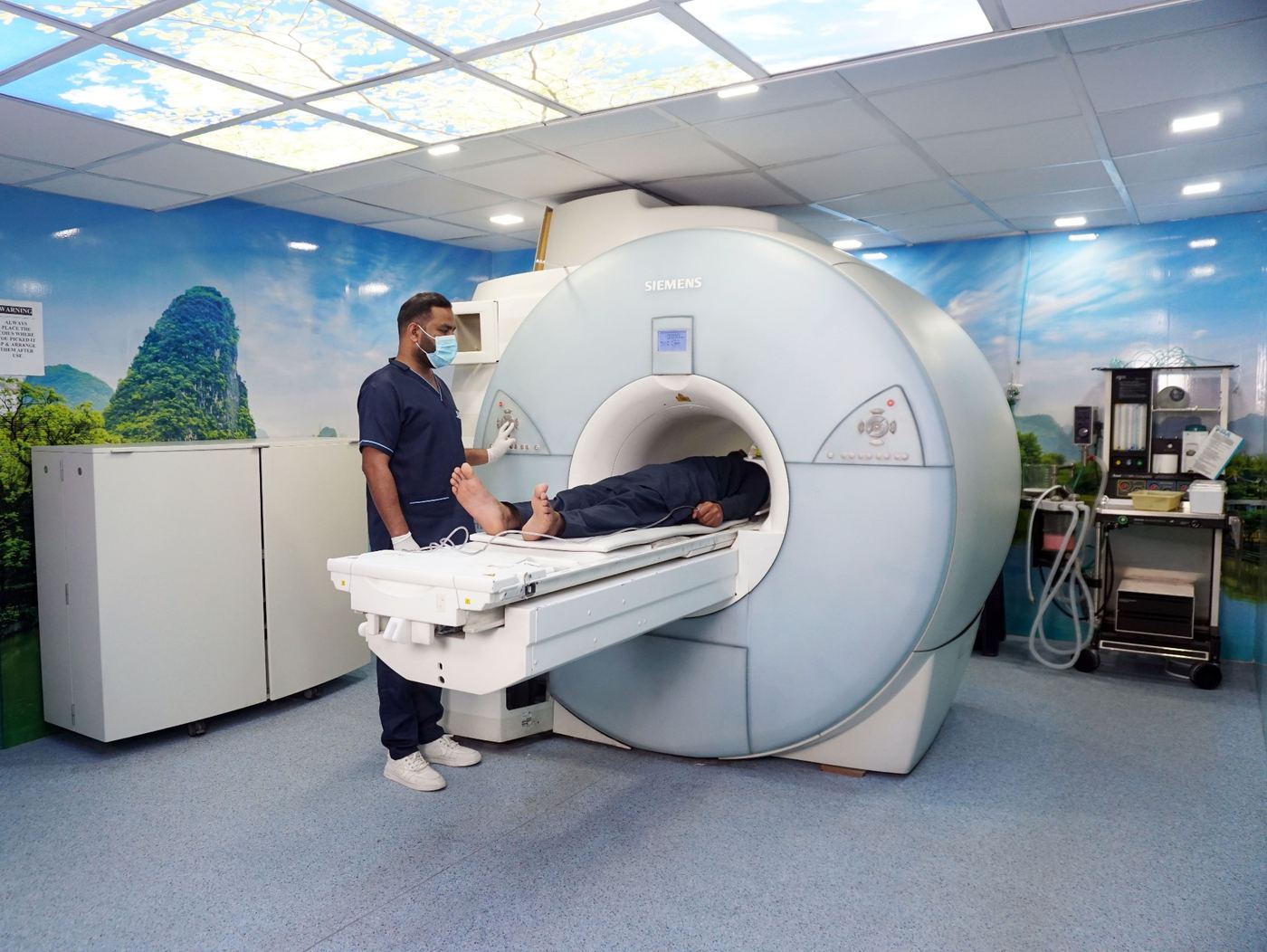
Radiopharmaceuticals in Precision Medicine: What's Changing
Radiopharmaceuticals are redefining precision oncology. Explore the clinical evidence, regulatory evolution, and trial design realities shaping the field.

Hidden Geography of Alzheimer's: Site Selection Insights
Alzheimer's trials often rely on academic site networks that miss high-burden communities. Explore how geography, diagnosis gaps, and smarter feasibility data shape site selection.

How AI Is Transforming Clinical Trials in 2026
Discover how AI is reshaping clinical trial design, patient recruitment, site selection, and regulatory documentation, and what it means for drug development speed and quality.

The Recognition Gap: Why U.S. Clinical Trial Sites Get Overlooked
Explore how established site-discovery practices may contribute to pharma's site-selection gap, and what that means for trial access, enrollment, and patient representation.

How AI Is Accelerating Patient Recruitment in Clinical Trials
Evidence suggests AI may reduce clinical trial enrollment delays through EHR screening, NLP matching, and predictive analytics. Here is what the evidence shows.

Clinical Trial Budget Management: Key Strategies
Discover practical strategies for clinical trial budget management: cost forecasting, site payments, protocol design, and AI-assisted financial oversight.

How to Become a Principal Investigator in Clinical Trials
A step-by-step guide covering education, GCP training, FDA Form 1572, site startup, and sponsor relationships for aspiring U.S. clinical trial PIs.

AI in Pharmaceutical R&D: Evidence from Drug Discovery to Approval
AI is reshaping every stage of pharmaceutical R&D, from protein structure prediction to regulatory submissions. Here is what the evidence shows in 2025-2026.

Clinical Trials in Practice: Evidence on Patient Outcomes and Site Integration
What does the evidence say about research-active practices and patient outcomes? A guide for investigators and sites on GCP, integration, and operations.

How Clinical Trials Give Patients Access to New Treatment Options
Clinical trials are a primary route to new treatment options for patients with serious diseases. Learn how expedited pathways, expanded access, and AI-driven enrollment are changing patient access.
Stay Updated
Subscribe to our newsletter for the latest insights on AI and clinical trials
Keep exploring
Recommended next
- Blog
4 AI Misconceptions in Clinical Trials You Cannot Afford to Ignore
Four pervasive AI misconceptions in clinical trials that derail programs, inflate costs, and create regulatory exposure, with evidence on what the data actually shows.
- Blog
7 Questions to Ask Before Choosing an AI Patient Screening Solution
Before selecting an AI patient screening tool for clinical trial recruitment, ask these 7 critical questions to avoid costly mismatches and protocol failures.
- Blog
9 Questions Sponsors Must Ask Before Buying AI Regulatory Software
Before buying AI regulatory software for clinical trials, sponsors need answers on validation, audit trails, hallucination controls, and GCP compliance. Here are the 9 essential questions.
- Resources
Adaptive Trial Performance
Real-time signals that keep trials on schedule and on budget.